
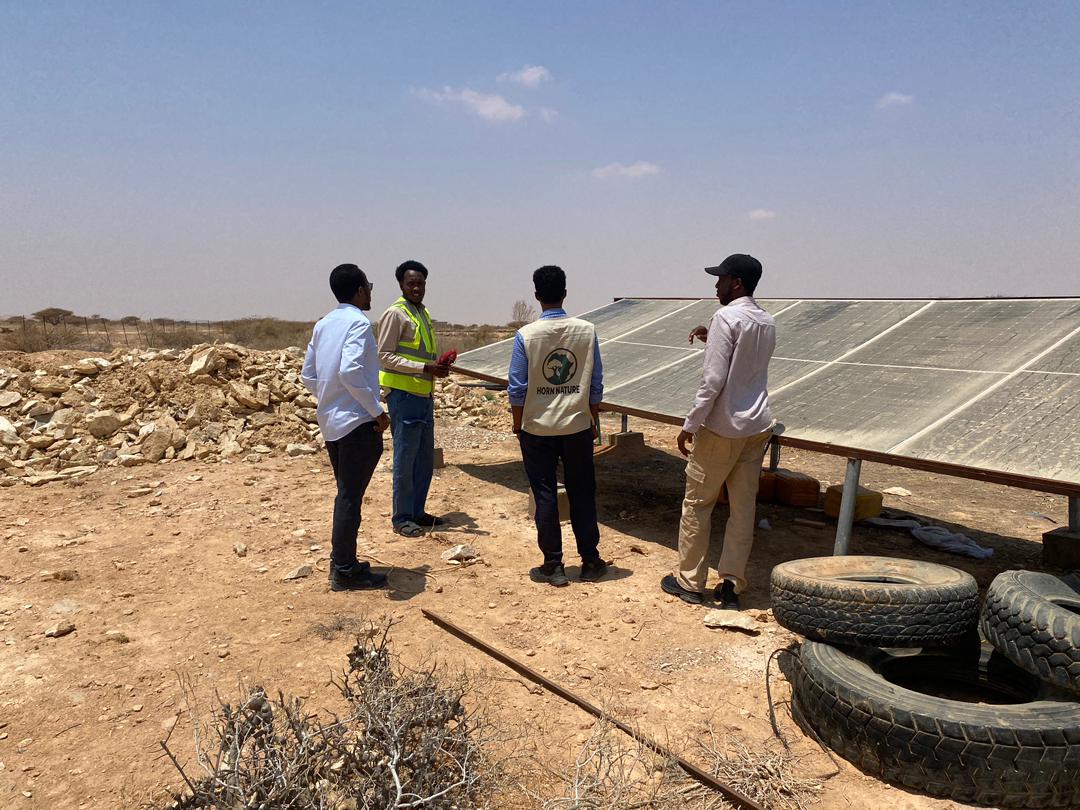

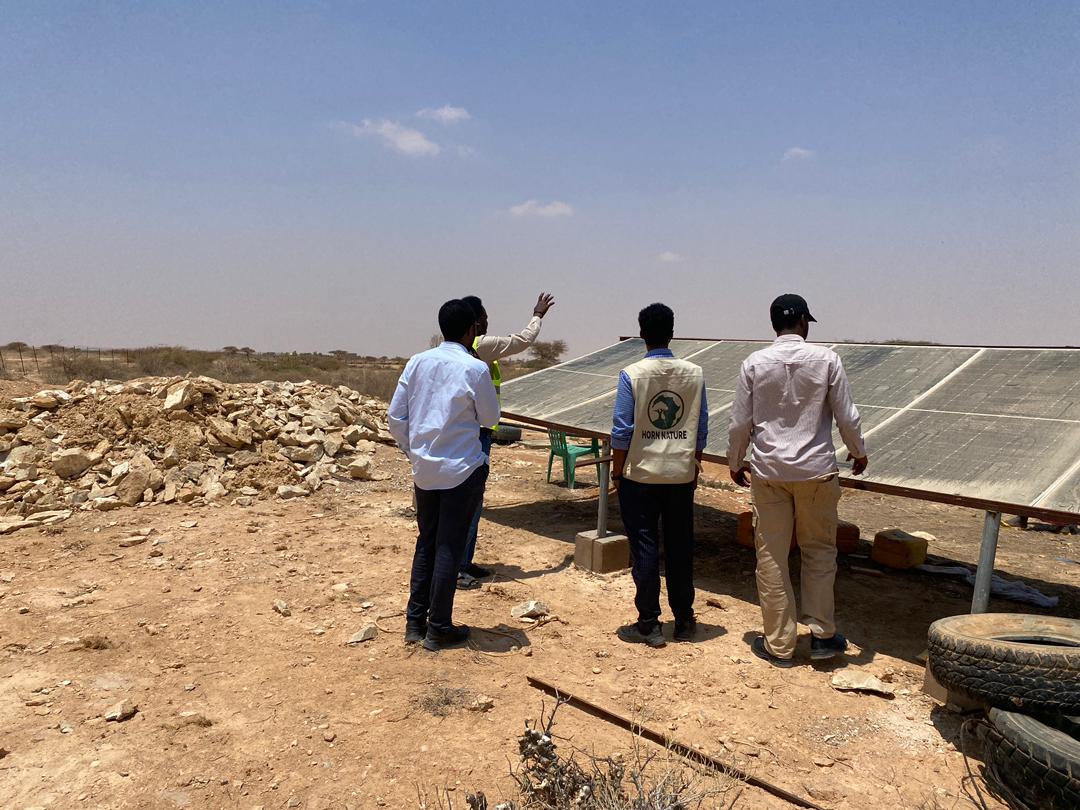
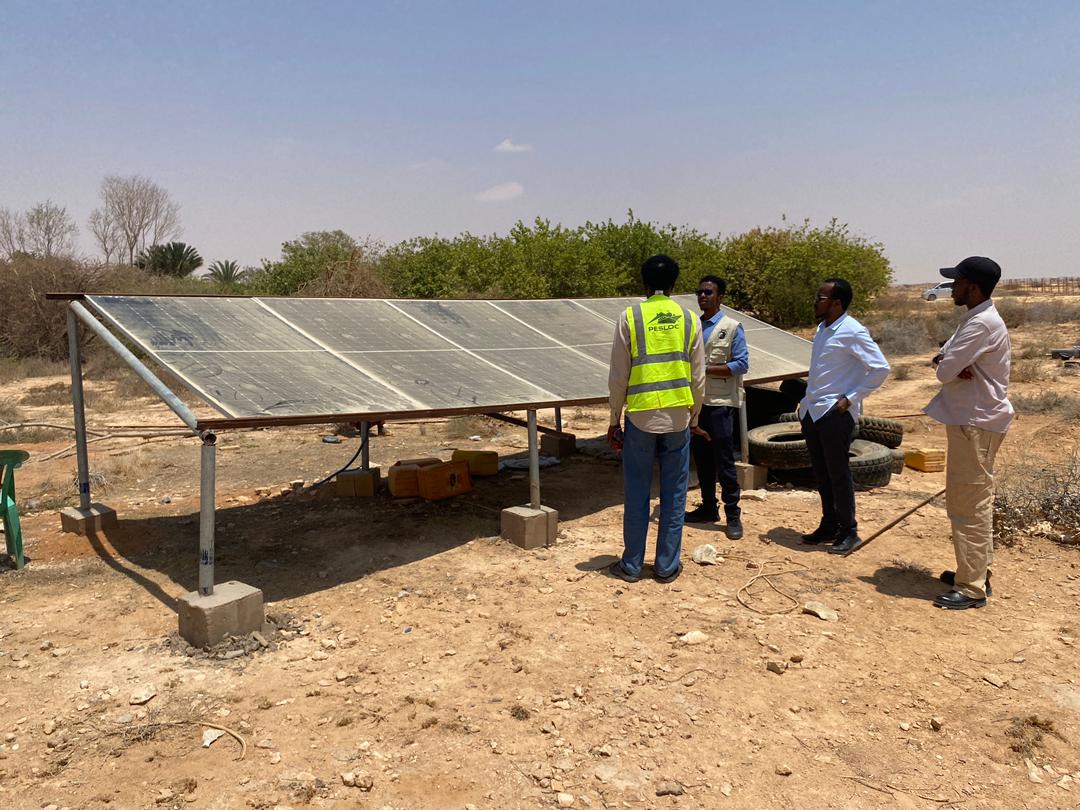
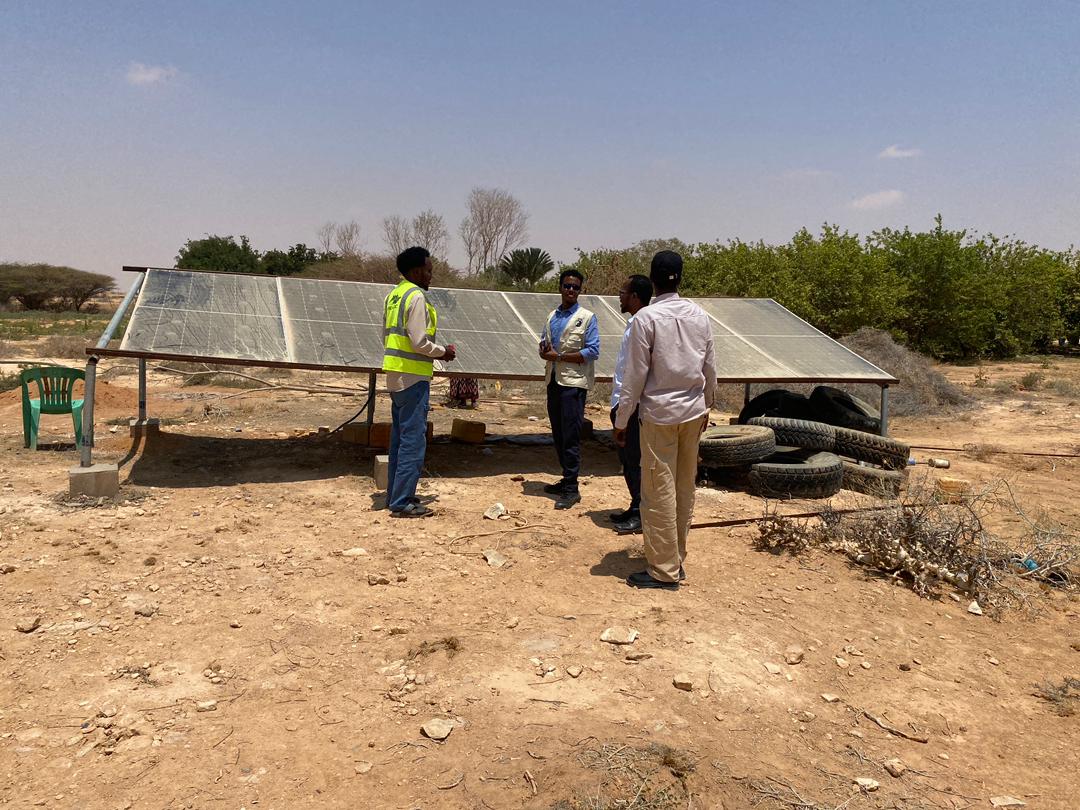
Sustainable, climate-resilient solar irrigation for 11 vulnerable smallholder farming households in Qorilay Village, Galkacyo District, Puntland State.
Summary
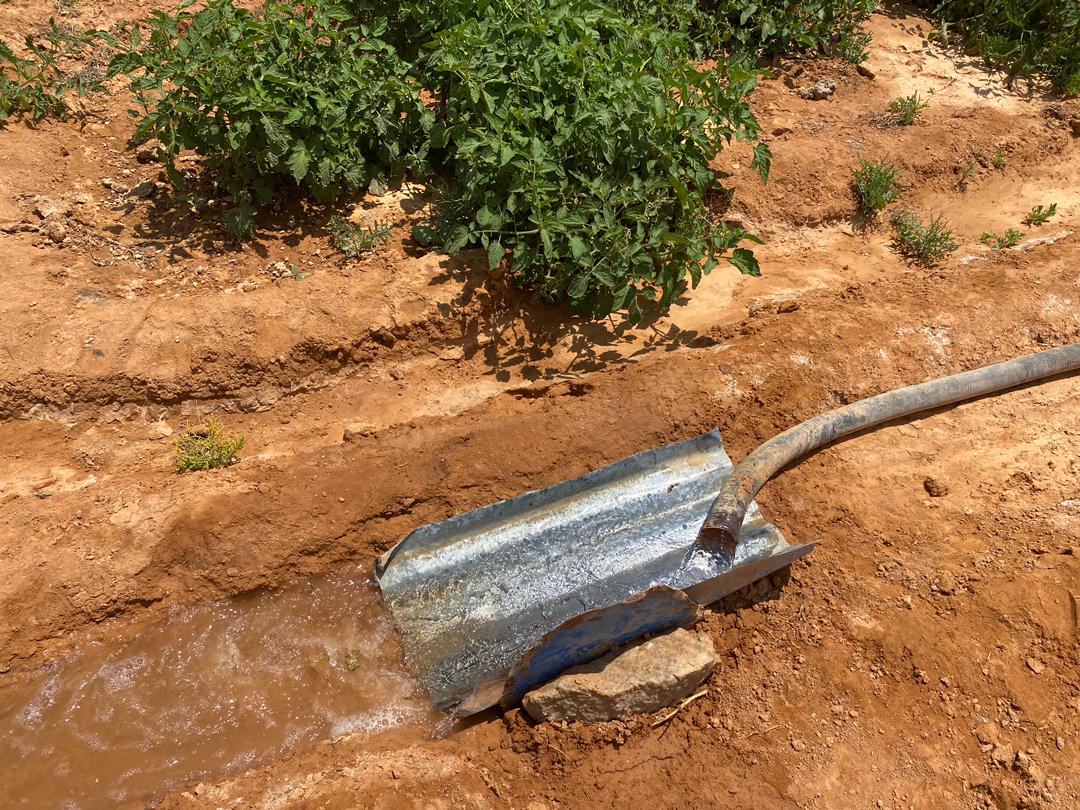
The Agri-Solar Water Resilience – Galkacyo II (Qorilay Village) Project will provide sustainable, climate-resilient irrigation solutions to 11 vulnerable smallholder farming households in Qorilay Village, Galkacyo District, Puntland State. The project will replace costly diesel-powered irrigation systems with clean solar-powered water pumping technology, ensuring reliable year-round access to water for agricultural production.
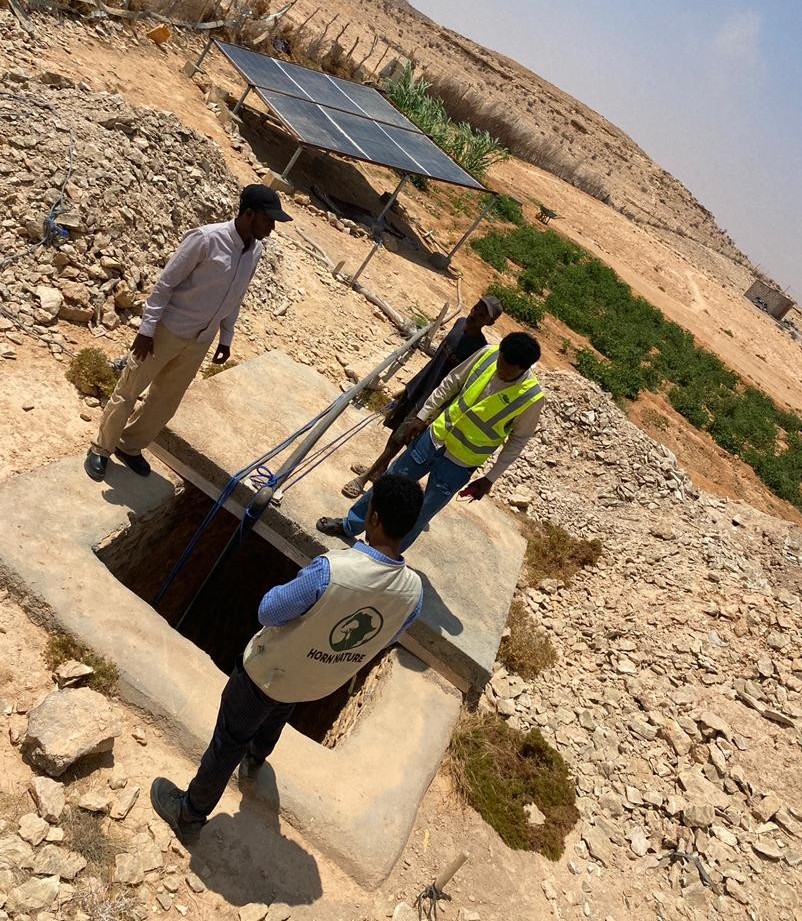
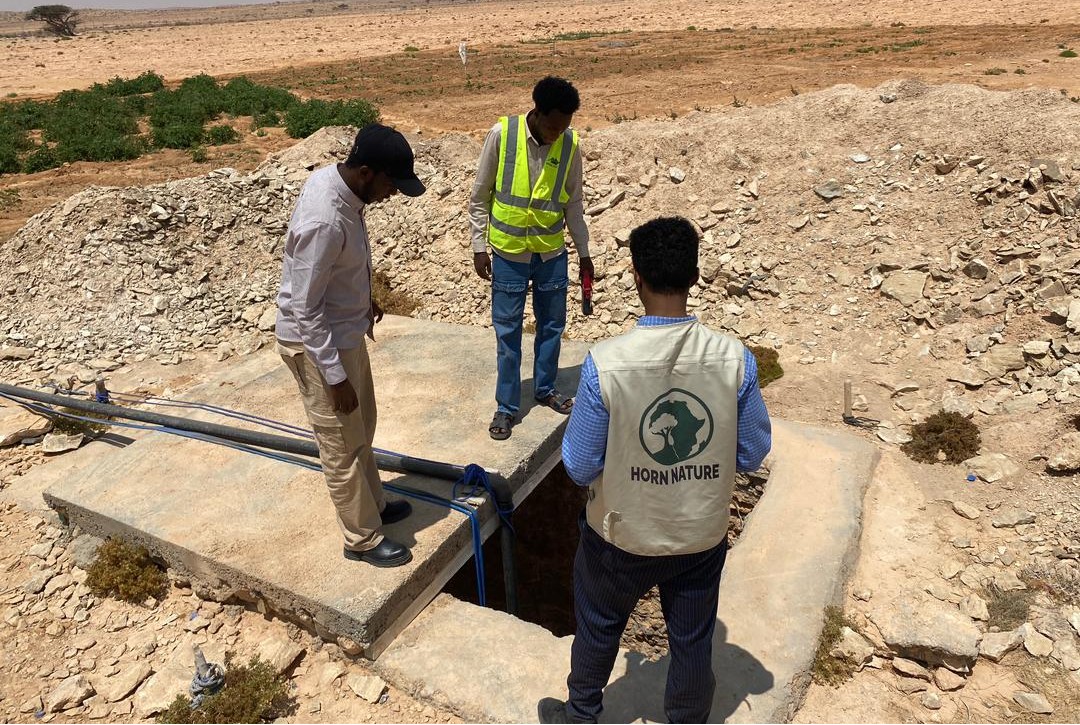
Implemented by Horn Nature Conservation (HNC), the initiative will install 11 solar-powered irrigation systems, establish a community-led Water Management Committee, and provide technical training to farmers, women, and youth. The project builds upon a successful pilot implemented by Horn Nature Conservation in Godod Village in 2024, where solar-powered irrigation significantly improved agricultural production, reduced irrigation costs, increased farm profitability, enhanced water reliability, strengthened food security, reduced dependence on diesel fuel, and improved resilience to drought and climate variability. Building on these proven results, the project seeks to replicate and scale up a tested model in Qorilay Village.
Challenge
Qorilay Village, located in Galkacyo District, faces growing challenges from recurrent droughts, erratic rainfall, water scarcity, rising fuel prices, and environmental degradation. Smallholder farmers rely heavily on diesel-powered pumps to access water from shallow wells for irrigation. However, the high cost of fuel, frequent fuel shortages, and increasing maintenance expenses make irrigation unreliable and unaffordable for many farming households.
As irrigation becomes more expensive, farmers are forced to reduce cultivation, resulting in lower crop yields, reduced household income, and worsening food insecurity. Women and youth, who play a critical role in agricultural production, are disproportionately affected due to limited access to affordable technologies and productive assets.
At the same time, dependence on diesel-powered irrigation contributes to greenhouse gas emissions, environmental pollution, and unsustainable farming systems. Without intervention, vulnerable farming households will continue facing declining productivity, increasing poverty, and heightened vulnerability to climate shocks.
Solution
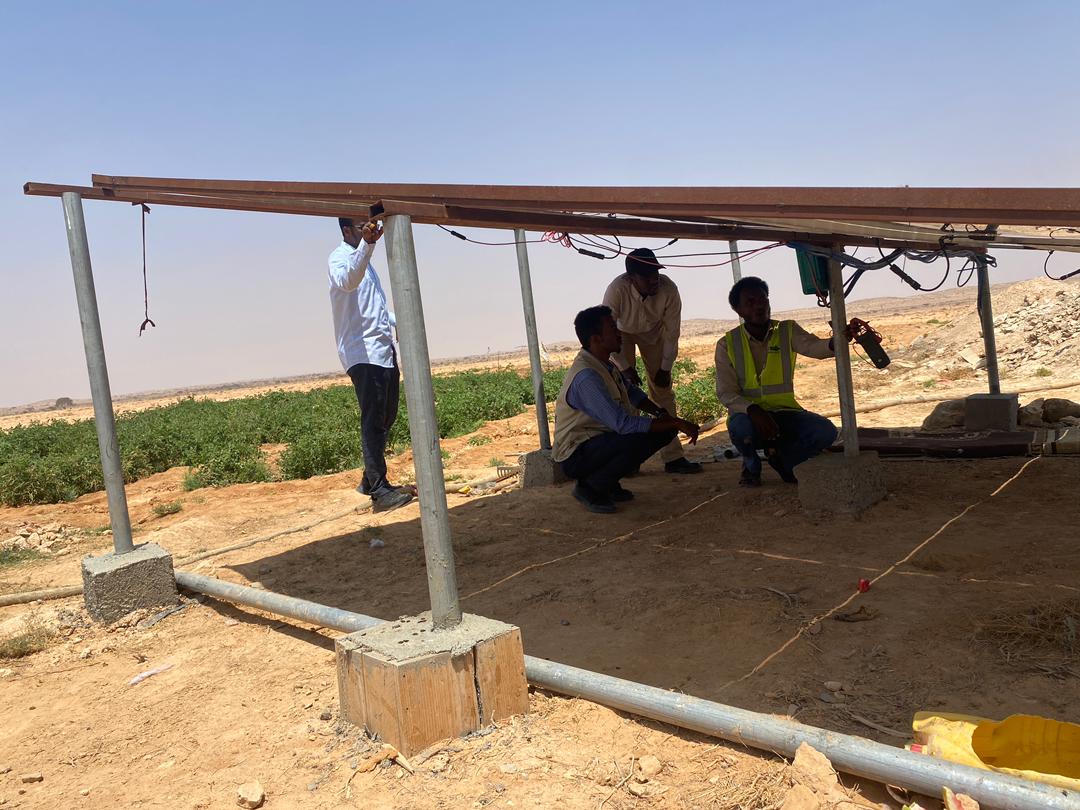
The project will provide a proven and sustainable solution by installing 11 solar-powered irrigation systems for selected shallow wells in Qorilay Village. Each system will include high-efficiency solar panels, solar pump controllers, and submersible pumps capable of delivering reliable water throughout the year.
Key interventions include:
- Installation of 11 solar-powered irrigation systems serving 11 farming households.
- Establishment and training of a Water Management Committee to oversee operation, maintenance, cost-sharing, and long-term sustainability.
- Capacity-building programs for farmers, women, and youth on solar irrigation management, climate-smart agriculture, water conservation, and sustainable farming practices.